With an Autograph Letter
CONSTANT, Benjamin.
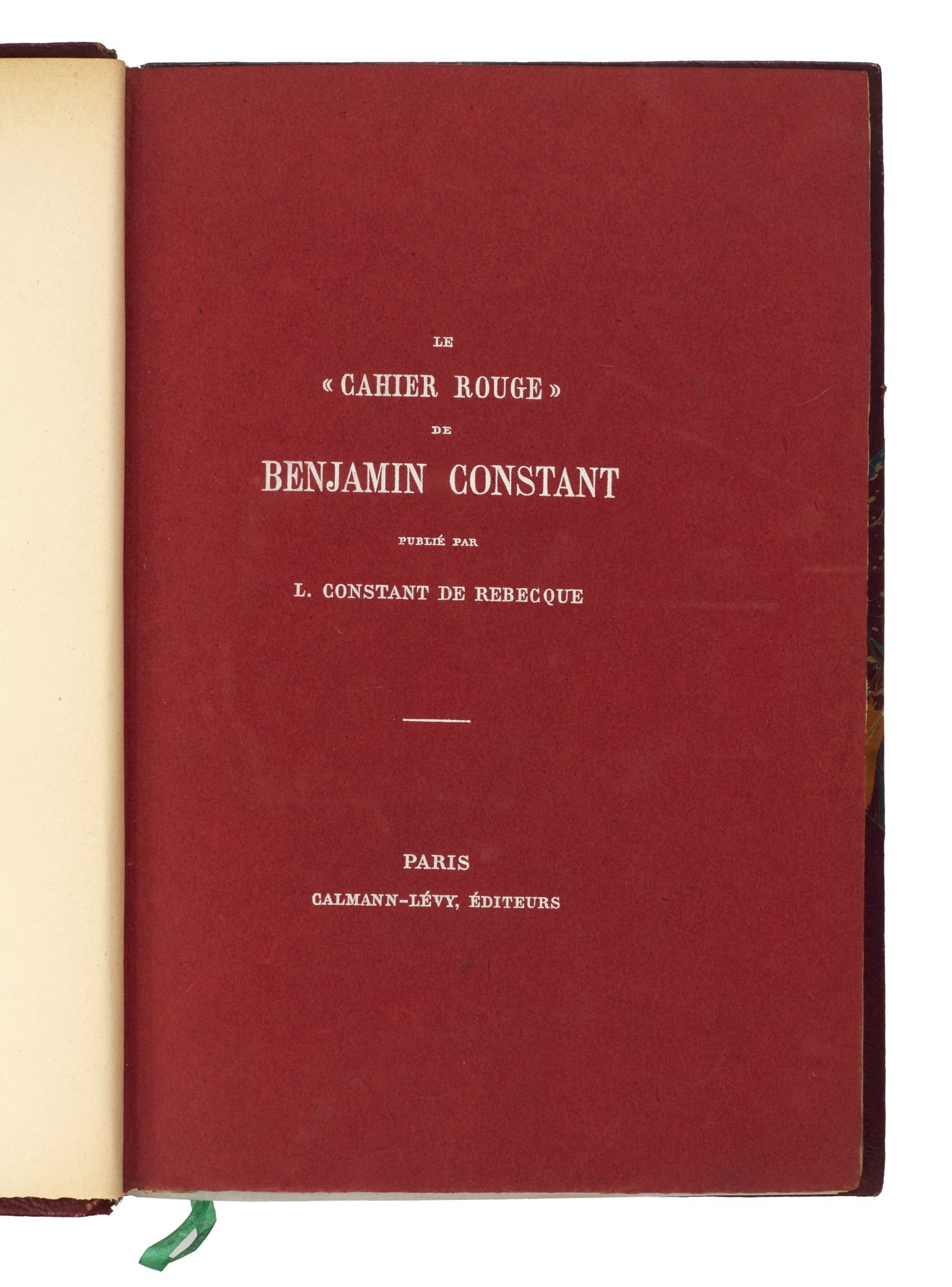
Le “Cahier Rouge” de Benjamin Constant publié par L. Constant de Rebecque. Paris, [Paul Brodard for] Calmann Levy. [1907].
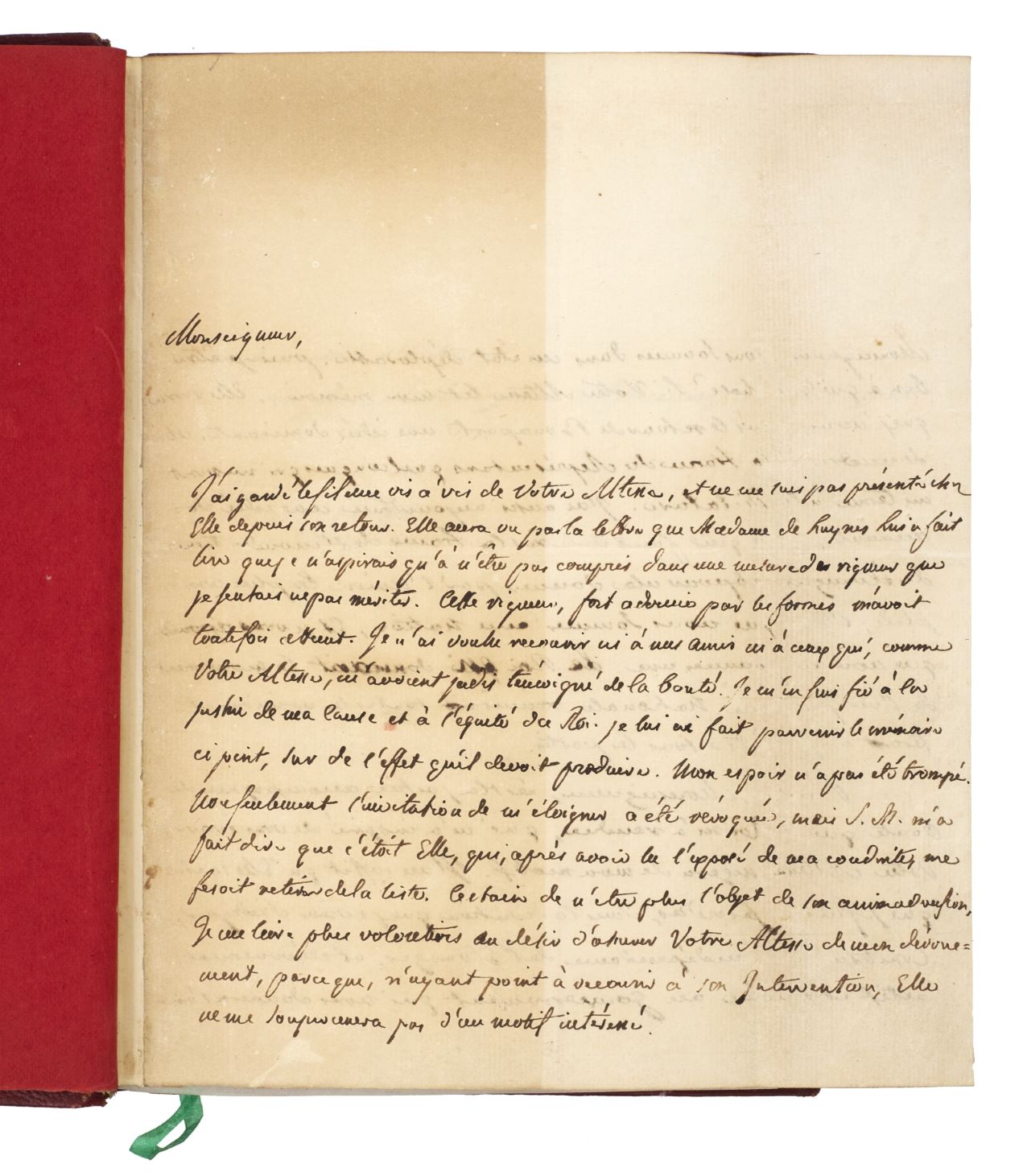
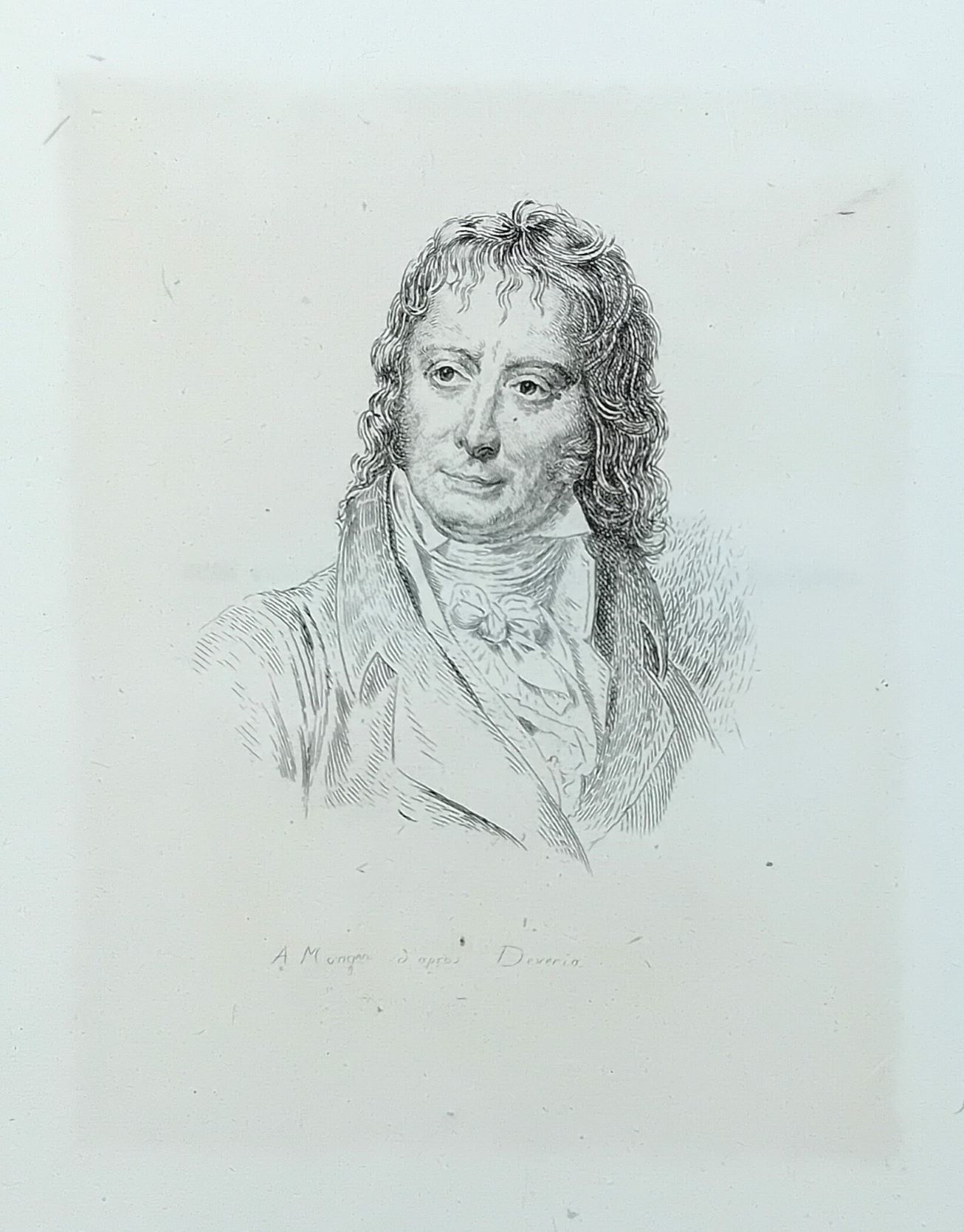
Large 8vo, pp. [6], ii, 129, [1], [2, colophon], with an initial blank, a half-title (limitation on verso), a frontispiece portrait of Constant at age 6, two additional engraved portraits on papier chine (a portrait of Constant by Deverin, and an identified figure by Leopold Flameng); title-page printed in red and black; a fine copy bound in ¾ red morocco, preserving the original red paper wrappers printed in white; with an autograph letter, signed by Constant (3pp., dated 26 July 1815) tipped in at the front, folded, slightly browned; leather book-label of the french doctor, bibliophile and manuscript collector Lucien Graux (1878-1944).
Added to your basket:
Le “Cahier Rouge” de Benjamin Constant publié par L. Constant de Rebecque.
First edition, no. 4 of 100 copies printed on Imperial japon. Written in 1807, Constant’s ‘Cahier Rouge’ describes his childhood and adolescence 1767-1787.
The autograph letter bound in here, written shortly after Napoleon’s abdication on 21 June 1815, is addressed to ‘Monseigneur’, probably Louis Antoine, Duc d’Angoulême, as he is addressed throughout as ‘votre altesse’. Constant mentions the ‘deplorable state’ in which they find themselves - Constant had moved to London after the Battle of Waterloo and Angoulême, a younger son of Charles X, had been purged from the King’s council. Constant refers to a a ‘mémoire’ he had sent to the King, which had forestalled his banishment, possibly an early version of the Mémoire des cent jours he published in 1819-20. Constant suggests that Angoulême may also have read the memoire and therefore understood that after the return of Napoleon (during the ‘Hundred Days’ earlier in 1815), Constant’s ‘dominant idea’ was to bring an end to the Directory. Now he wishes to deliver France from a ‘flood of foreigners’ and encourage the idea of a unified, independent nation led by the King. Constant later returned to Paris in 1817, and was elected a member of the Chamber of Deputies in 1819, where he was a firm proponent of a constitutional monarchy.