Featured
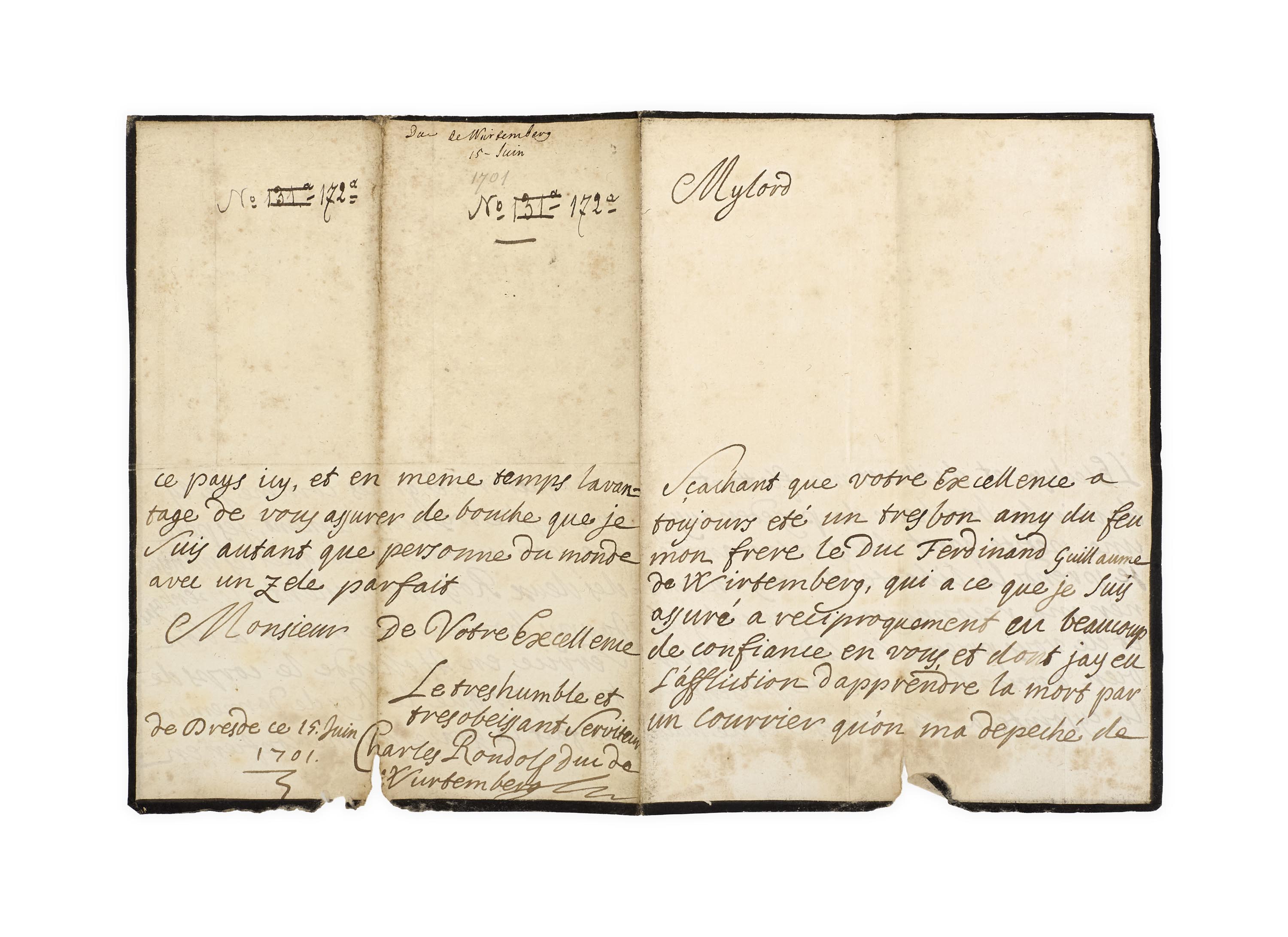
Letters From the Court of William and Mary:
War and Peace, Pirates, and Jacobite Plots
ALBEMARLE, Arnold Joost van Keppel, Earl of; WILLIAM III, et al.
A substantial archive of autograph letters, on European political matters, largely addressed to William III and his court favourite Lord Albemarle.
A fascinating archive, covering, among many things, the construction of the new baroque palace and gardens at Hampton Court, the political jostling of the closing years of the reign of William III, and the negotiations towards the Treaty of the Hague in 1701.
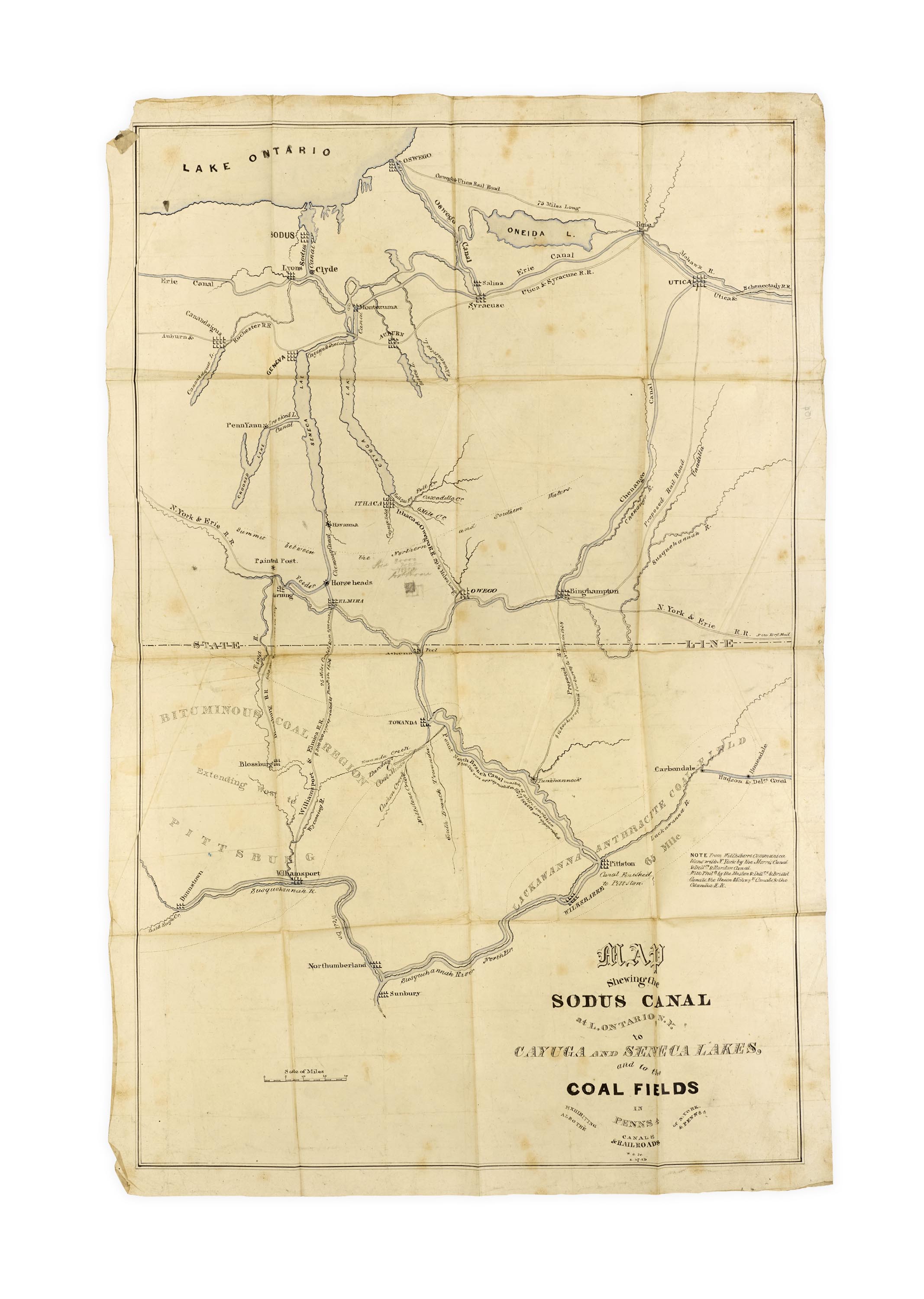
Land Speculation, Coal, and Railroads in Pennsylvania;
Lynching and the Spectre of Civil War
[BARCLAY MOUNTAIN, PENNSYLVANIA.]
Archive of over 200 letters, maps, accounts, and reports sent to Robert Barclay and later his son Charles Barclay (and some to the railway pioneer Joseph Pease), with copies of outgoing letters, largely relating to land in Bradford County, Pennsylvania; along with additional loose correspondence.
A large and coherent archive relating to a tract of 21,000 acres of coal-rich land in Pennsylvania, later known as Barclay Mountain, from its purchase in 1794 by the London brewer and merchant Robert Barclay (1751–1830) until its sale in 1853 by his son Charles Barclay (1780–1855). It takes in the discovery of coal in northern Pennsylvania and the sudden industrialisation and rapid settlement of the region.
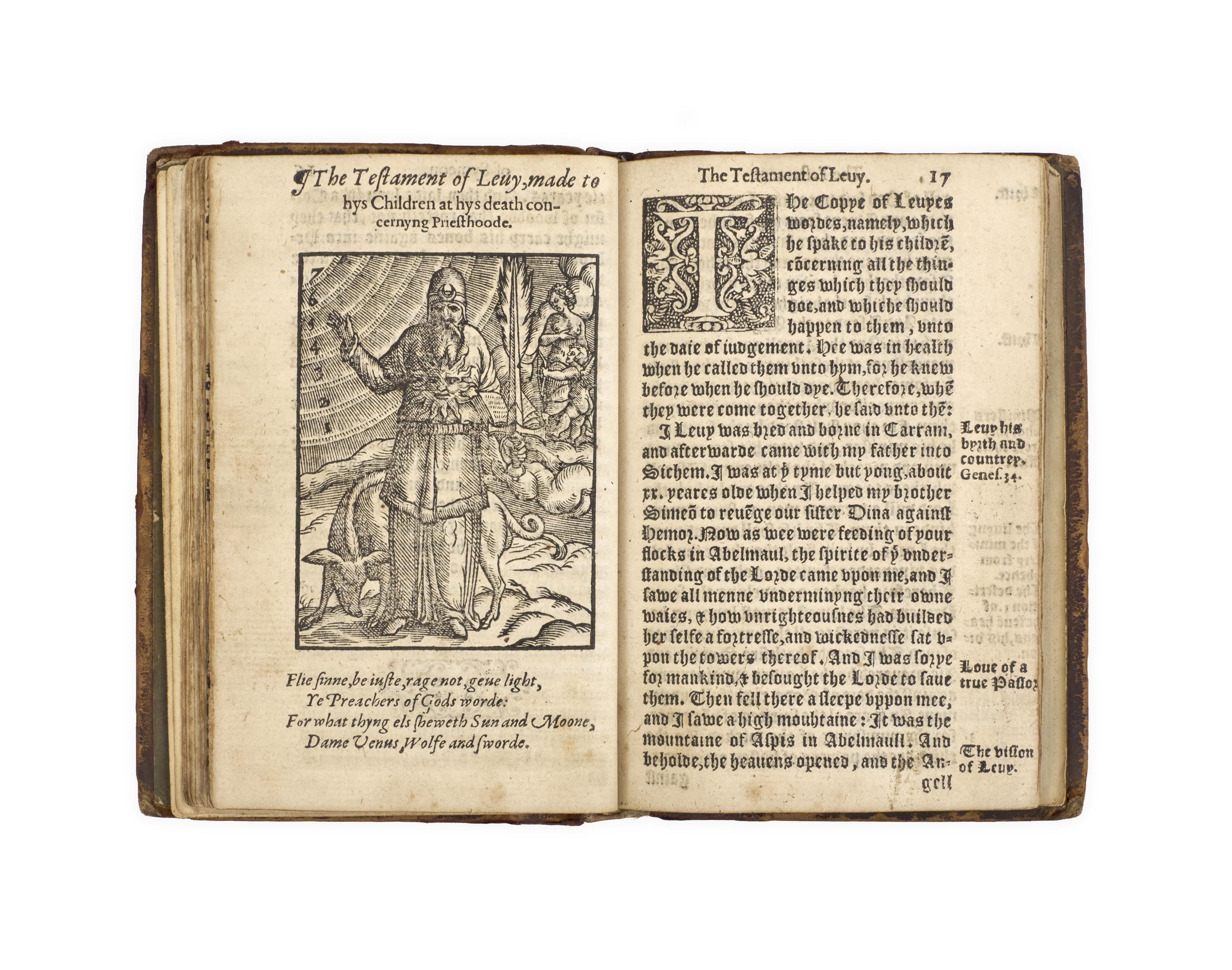
The Inglis–Heber Copy
[GILBY, Anthony, translator.]
The Testaments of the twelve Patriarches, the Sonnes of Jacob: translated out of Greeke into Latine by Robert Grosthed … and out of hys copye into French and Dutch by Others: now Englished by A. G. …
Fourth edition (first 1574), very rare, of the first English translation of the Testaments of the Twelve Patriarchs, a piece of Biblical apocrypha probably composed in the first or second century CE detailing the supposed dying commands of the sons of Jacob. The work survived in a number of Greek manuscripts, one of which is the ‘auncient Greeke copye written in parchment … in the University Library of Cambridge’ referred to on the title-page (now MS Ff.1.24), brought from the library of Michael Choniates in Athens in c. 1240 at the request of Robert Grosseteste, Bishop of Lincoln. Grosseteste’s Latin translation introduced the work to Western Europe, and proved very popular – from it various vernacular renditions followed.
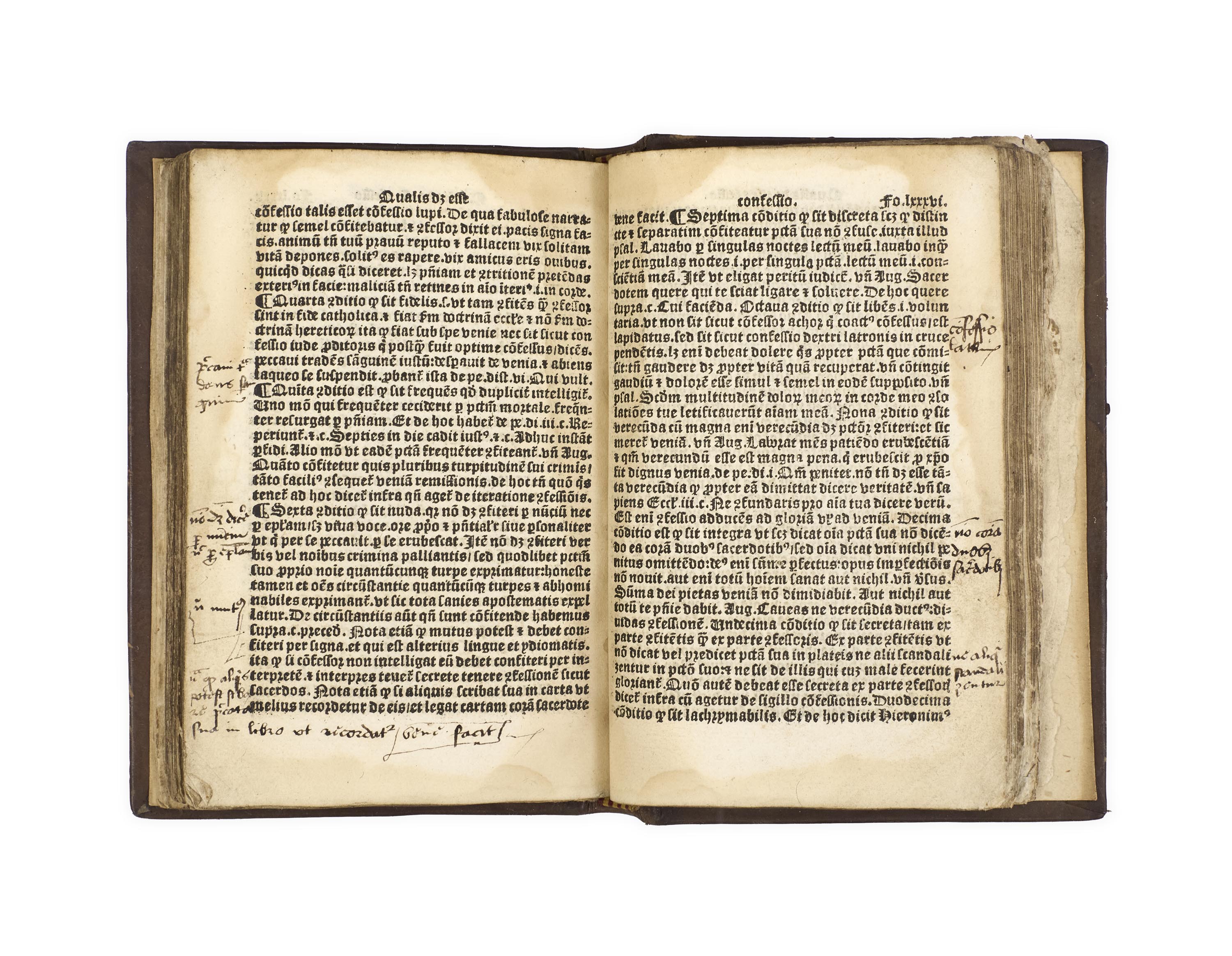
Contemporary Annotations
[GUIDO DE MONTE ROCHEN.]
Manipulus curatorum.
Very rare Pynson edition of the Manipulus curatorum, an immensely popular medieval handbook for priests, with annotations to some thirty pages in a contemporary English hand.
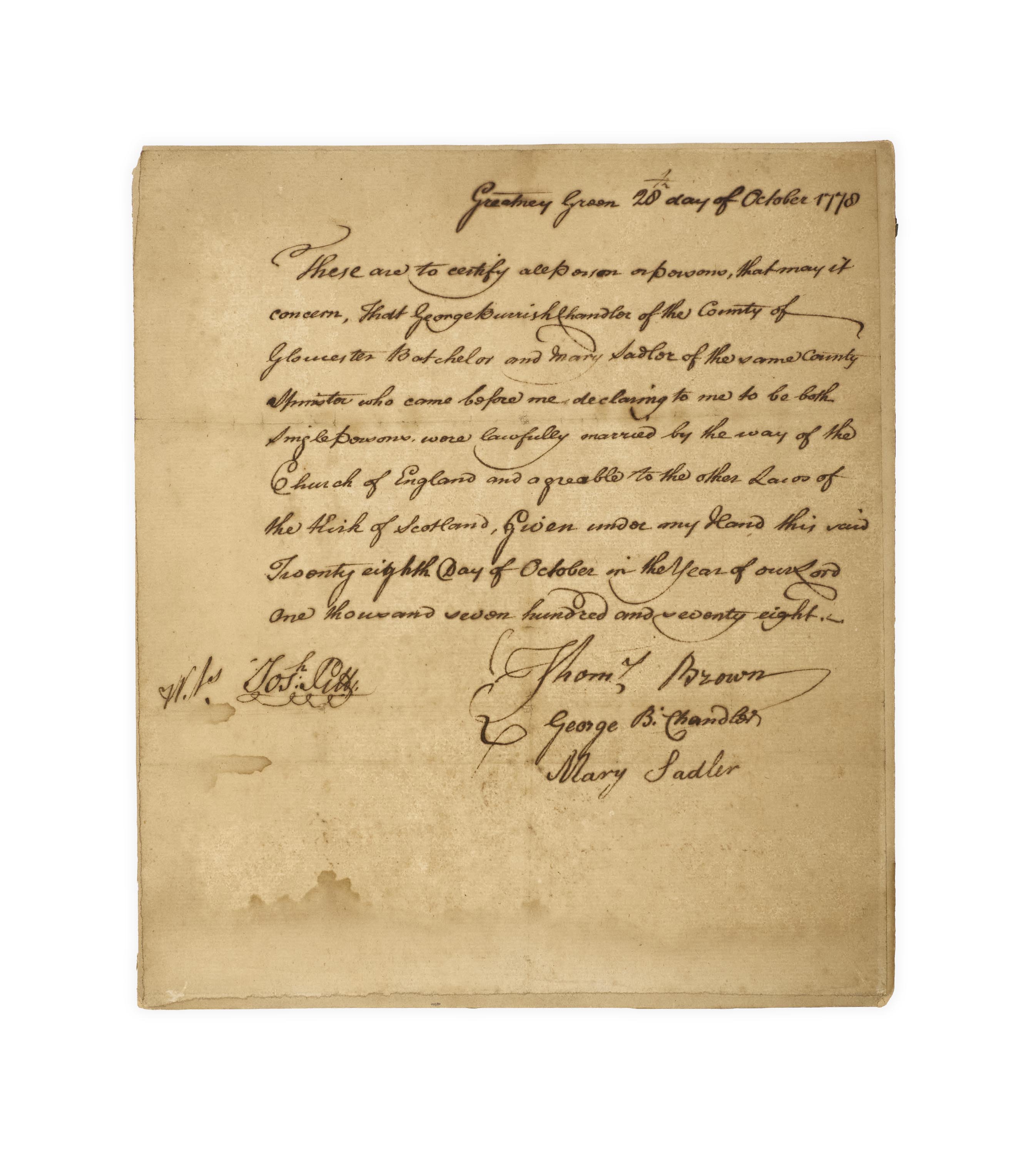
Legal Elopement
An Irregular Marriage ‘Certificate’ From Gretna Green
[PASLEY, Joseph].
Manuscript marriage certificate for George Burrish Chandler and Mary Sadler, of Gloucestershire, signed by them and by ‘Thoms Brown’, and witnessed by ‘Josh Pitt’.
A very rare early Gretna Green marriage certificate (the second earliest we can trace), between a pregnant seventeen-year-old and her twenty-six-year old lover, likely signed by the infamous ‘anvil priest’ Joseph Pasley under the pseudonym ‘Thomas Brown’.
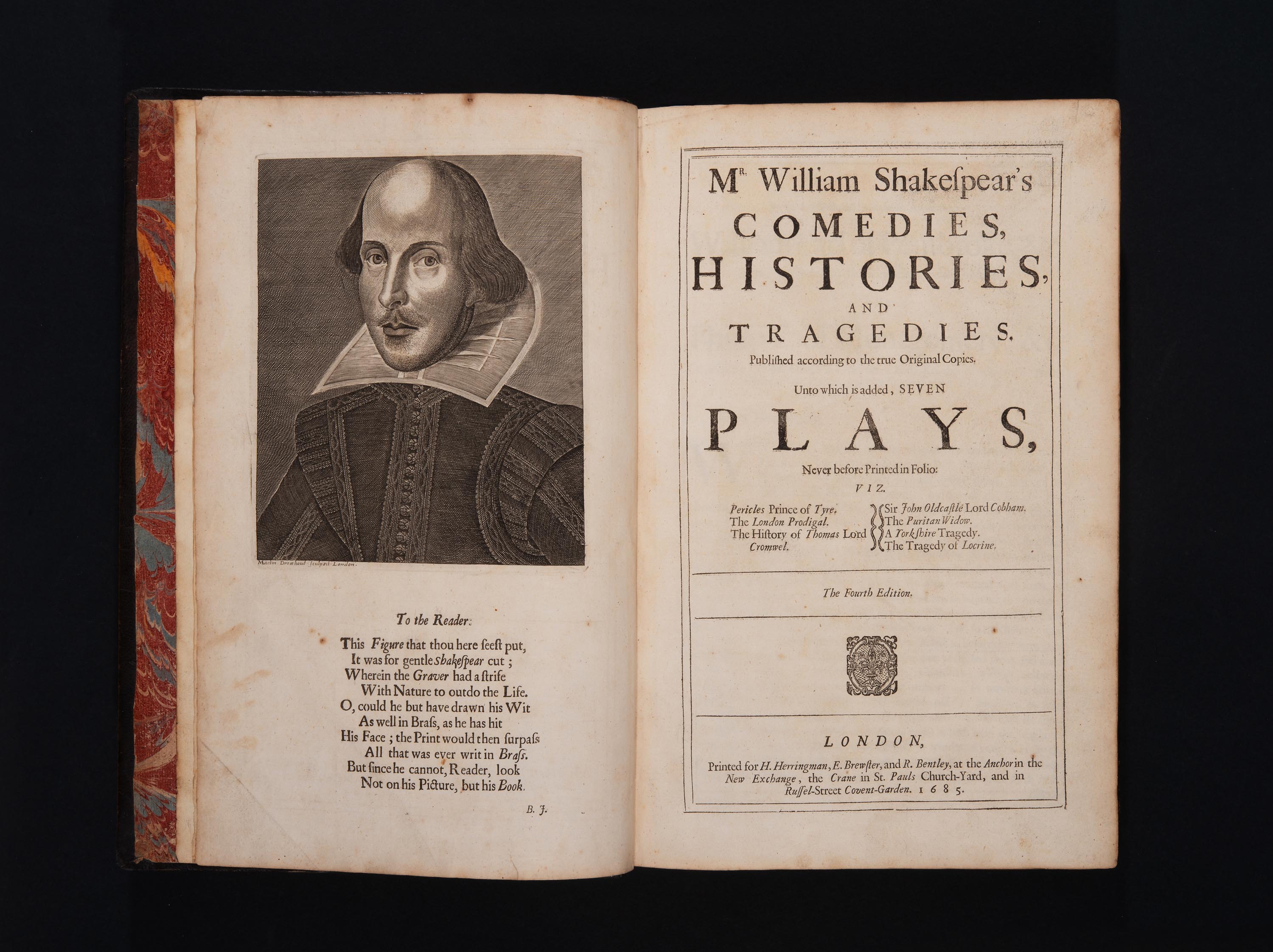
The Fourth Folio in Black Morocco
SHAKESPEARE, William.
Mr. William Shakespear’s Comedies, Histories, and Tragedies. Published according to the true Original Copies. Unto which is added, seven Playes, never before Printed in Folio … The fourth Edition …
An exceptional copy of Shakespeare’s Fourth Folio. Despite the statement ‘never before Printed in Folio’, the seven new plays (of which Pericles is the only one still commonly attributed to Shakespeare) had earlier appeared in the second issue of the Third Folio in 1664, but this edition, the last in so grand a format and the last in Shakespeare’s own century, was the principal textual basis of eighteenth-century recensions from Rowe, Theobald and Pope to Hanmer and Johnson.
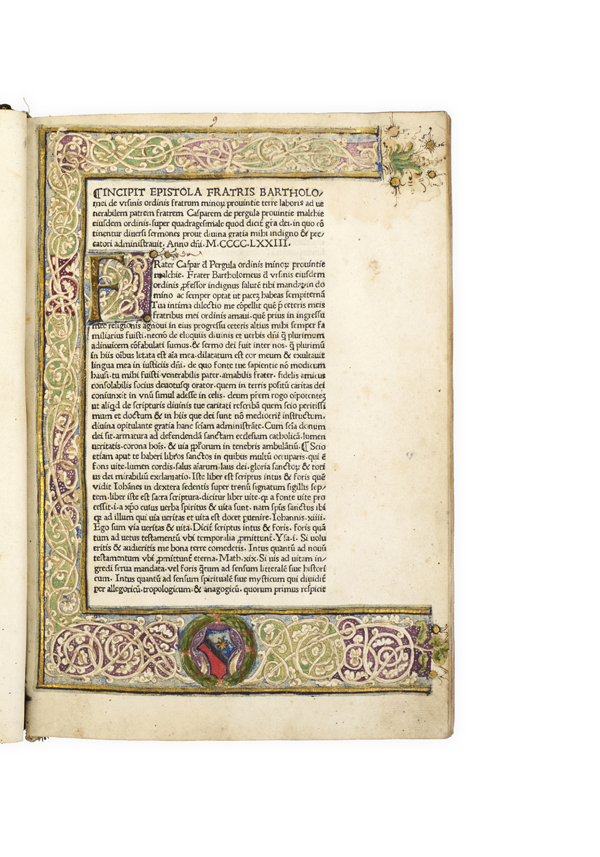
Neapolitan Sermons in a Florentine Binding
URSINIS, Bartholomaeus de.
[Quadragesimale quod dicitur Gratia Dei.]
First and only edition, a handsome, wide-margined copy of Bartholomaeus de Ursinis’s sermons, printed and illuminated in Naples, in a contemporary Florentine binding.

Franciscans in Munich Studying Hebrew Scripture
PAULUS DE SANCTA MARIA.
Scrutinium scripturarum.
Third edition of this treatise of Christian Hebraism by a converso bishop, from the library of the Franciscans of Munich, with their distinctive brand to the top edge of the volume. The text had originally been printed by Mentelin in c. 1470, then by Ulrich Han in Rome.

BIBLE, in Latin.
Genesis to Apocalypse, with the prologues attributed to St. Jerome and the Interpretation of Hebrew names.
A handsome example of a thirteenth-century portable Bible manuscript, with an historiated initial marking the beginning of each book; from the libraries of Leander van Ess and Sir Thomas Phillipps.

Homiletic Work
Annotated by Machiavelli’s Last Confessor
ANTONIUS de Vercellis.
Sermones quadragesimales de XII mirabilibus Christianae fidei excellentiis [with additions by Ludovicus Brognolo].
A remarkable copy of the first edition of Antonius de Vercellis’ sermons, owned and annotated by three contemporary Franciscans, one of whom, Andrea Alamanni, may be the confessor who administered Machiavelli’s last rites.
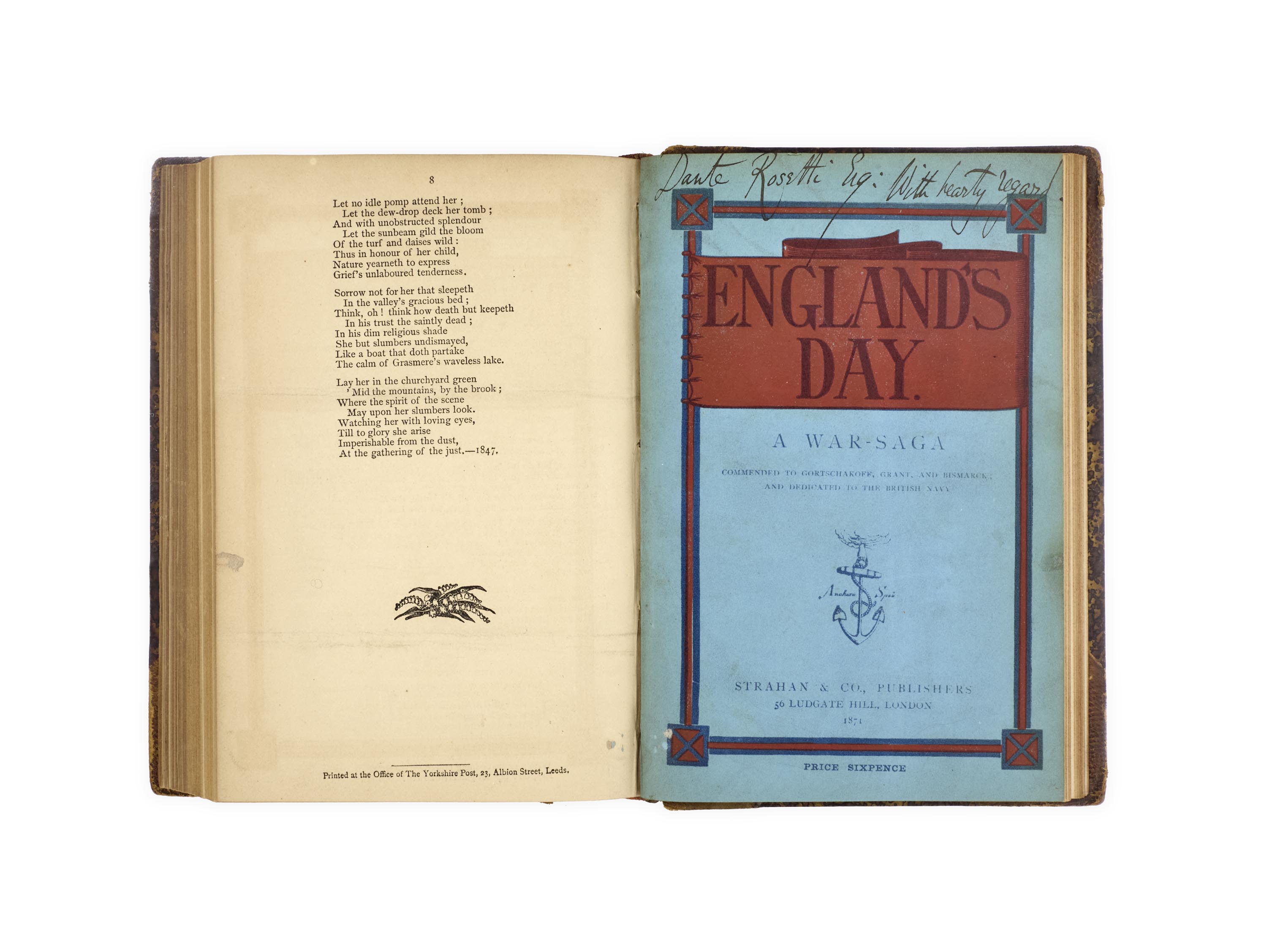
A Presentation Copy to Dante Gabriel Rossetti, Unrecorded Works, and a Proof Poem
[DOBELL, Sydney Thompson.]
England’s Day. A War-Saga.
Presentation copy of Dobell’s scarce poem England’s Day, inscribed on the wrapper ‘Dante Rossetti Esq. With hearty regard’, and noted by William Michael Rossetti on the verso as ‘from Gabriel’s books 1882’.

From the First Venetian Press
LACTANTIUS.
Opera.
Magnificent incunable edition of the works of Lactantius, a fine product of the first Venetian press, established in 1469 by Johannes de Spira and continued by his brother Vindelinus from 1470 until 1473. This was the fifth impression of the works of Lactantius, the hugely successful North African early Christian writer.

The Last Judgement
[GRADUAL.]
Vast historiated initial ‘A’ cut from a Gradual.
A spectacular initial on the scale of a small panel painting. The verso includes the text ‘[neque] irrideant me inimici mei […] [un]iversi qui te expectant’ and the versicle ‘Vias tuas domine de[monstras]’, indicating that the initial would have introduced the introit ‘Ad te levavi animam meam’ (‘Unto thee I lift up my soul’) for the first Sunday in Advent (and thus the very first text of the liturgical year). As for the corresponding text for that day in the Antiphonal (‘Aspiciens a longe …’, ‘Seeing from afar, behold the power of God coming …’) the initial ‘A’ was often given lavish treatment by the illuminators of Italian choirbooks, and in both cases the iconography sometimes combined Christ in glory after the Ascension with the Last Judgment, as here. While the dead rising from their graves are sometimes depicted, our initial is unusual for its inclusion of tormented souls in Hell. The style may be compared to the oeuvres of the First Master of the Gubbio Choir Books and the Master of the Deruta-Salerno Missals. The decorated initials on the verso are characteristic of Umbrian illumination in the last quarter of the thirteenth century.

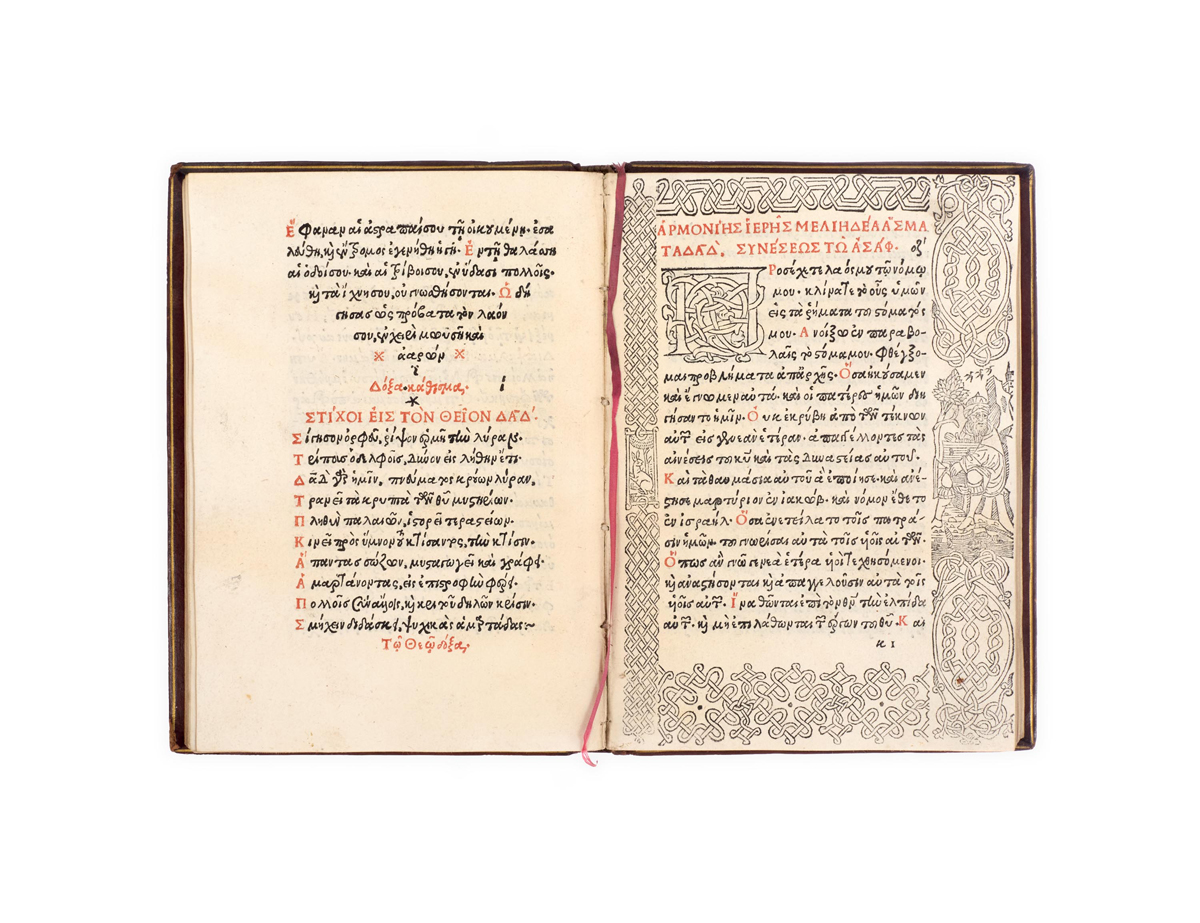
The Aldine Greek Psalter
[PSALTER.] Justinus DECADYUS, editor.
Ψαλτηριον.
The elegant first Aldine printing of the Greek Psalter, following two earlier and plainer editions of 1481 and 1486, which had employed much simpler Greek typefaces with fewer ligatures and contractions.
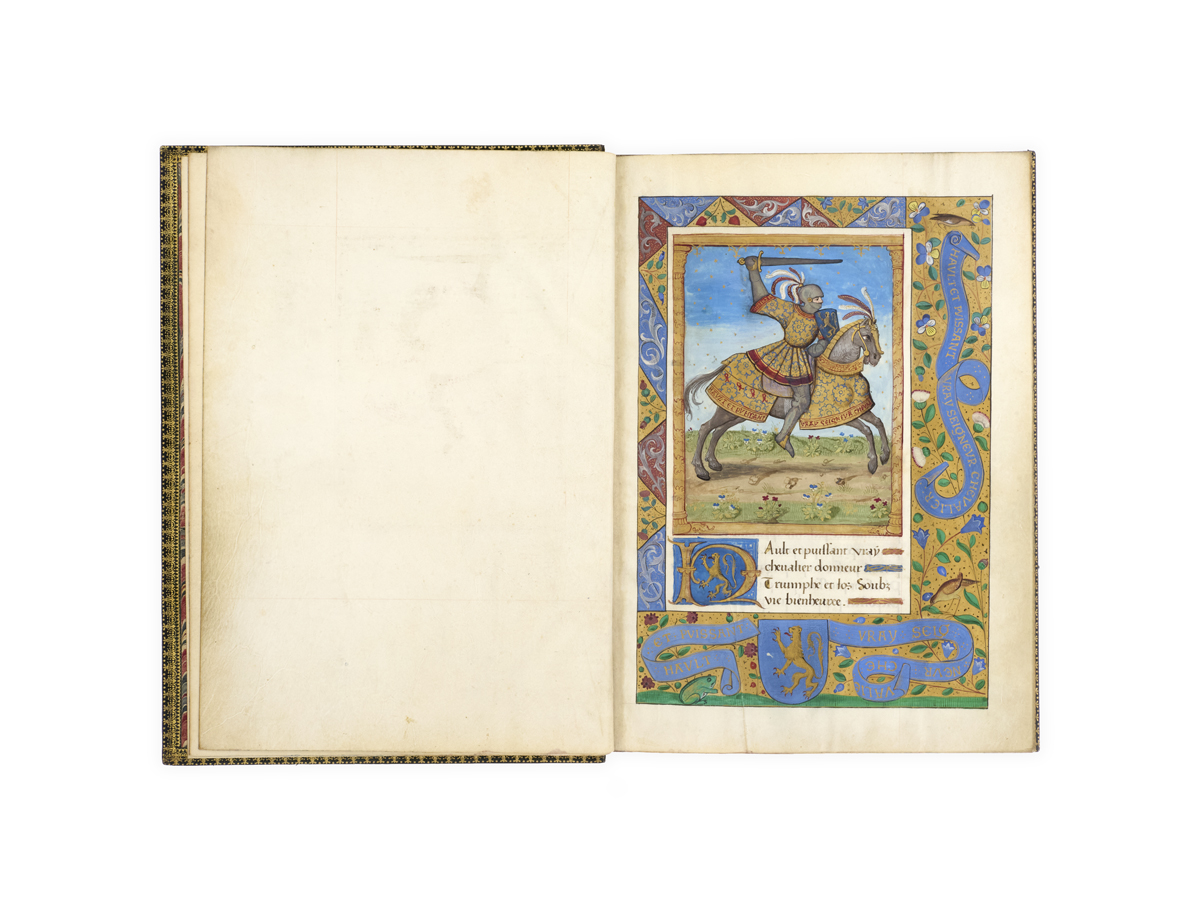
Chivalry Illuminated: a Royal Commission?
[LA VIGNE, André de, and Octavien de SAINT-GELAIS.]
Le vergier dhonneur nouvellement imprime a Paris. De lentreprise et voyage de Napples. Auquel est compris commant le roy Charles huitiesme de ce nom a banyere desployee passa et rapassa de iournee en iournee depuis Lyon iusques a napples et de napples iusques a Lyon. E[n]semble plusieurs aultres choses faictes et composees par reverend pere en dieu monsigneur octovie[n] de sainct Gelais evesque da[n]golesme et par Maistre Andry de la vigne secretaire de monsieur le duc de Savoye avec aultres.
Extremely rare first edition of the Vergier d’Honneur, a celebration of the expedition of Charles VIII to Italy; a remarkable copy preceded by three leaves of illuminated manuscript containing unrecorded verse and a spectacular miniature of a knight on horseback.

Editio Princeps of 1500 Years of Greek Poetry
[ANTHOLOGIA GRAECA PLANUDEA.]
[Edited by Janus Lascaris.]
Editio princeps, a beautiful printing in elegant epigraphic type, of the Planudean Anthology, a substantial collection of classical Greek verse which influenced artists, poets, and scholars. ‘The Greek Anthology is one of the great books of European literature, a garden containing the flowers and weeds of fifteen hundred years of Greek poetry, from the most humdrum doggerel to the purest poetry’ (Oxford Classical Dictionary).
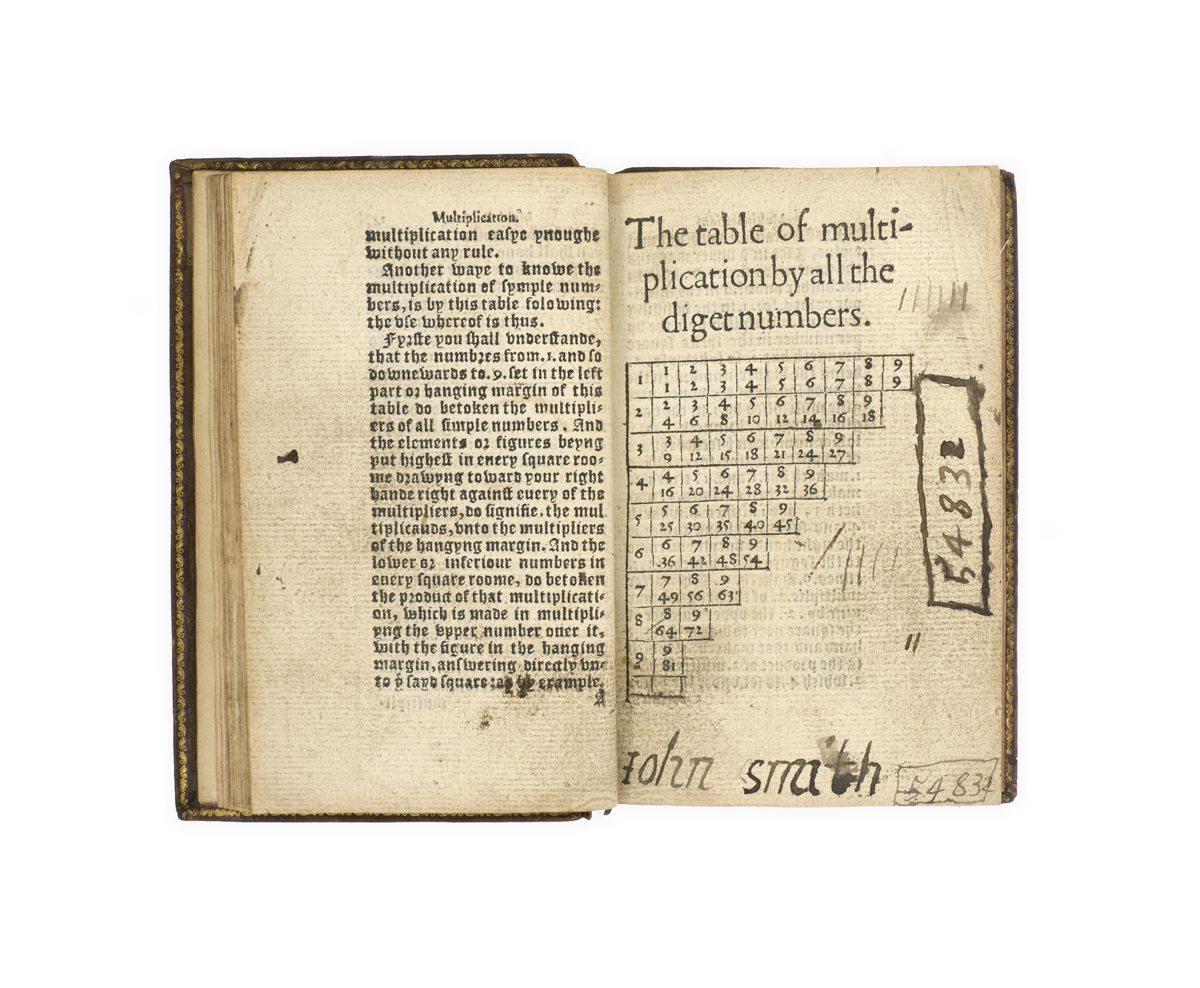
Mercantile Arithmetic and Mathematical Games
BAKER, Humfrey.
The Well Sprynge of Sciences which teacheth the perfect Worke and Practise of Arithmeticke bothe in whole Numbers and Fractions, with such easye and compendious Instruction into the sayde Arte, as hathe not heretofore been by any set out nor laboured. Beawtified with most necessarye Rules and Questions, not onely profitable for Marchaunts, but also for all Artificers, as in the Table doth partlye appeare …
The extremely rare first edition (one of two copies in ESTC) of a very popular guide to arithmetic by the London schoolteacher and almanack-maker Humfrey Baker (fl. 1557–87).
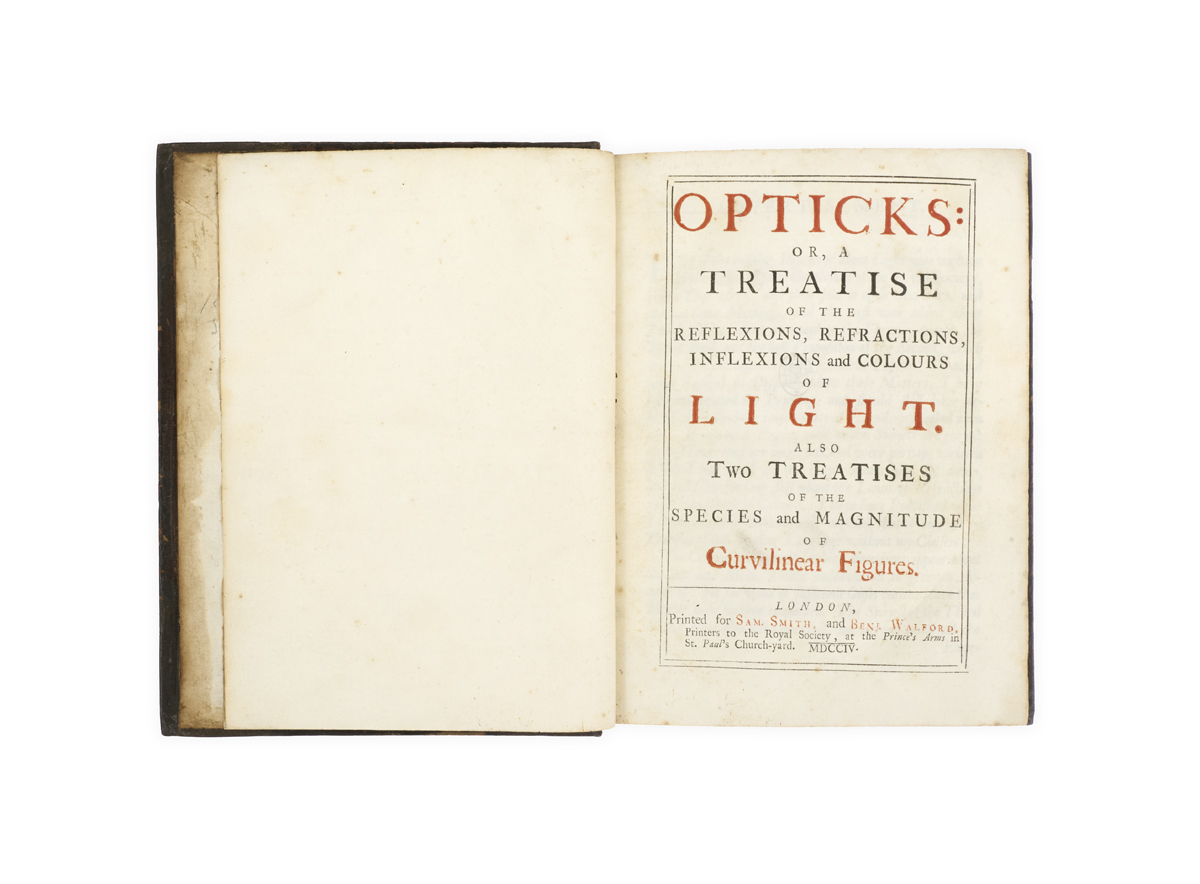
Newton on Colour
NEWTON, Isaac.
Opticks: or, a Treatise of the Reflexions, Refractions, Inflexions, and Colours of Light. Also two treatises of the species and magnitude of curvilinear figures.
First edition of Newton’s Opticks, ‘which did for light what his Principia had done for gravitation, namely, placed it on a scientific basis’, and ‘expounds Newton’s corpuscular or emission theory of light, and first contains his important optical discoveries in a collected form’ (Babson), also discussing rainbows and Newton’s Rings.

Contemporary Calf, with the World Map
HAKLUYT, Richard.
The Principall Navigations, Voiages and Discoveries of the English Nation, made by Sea or over Land, to the most remote and farthest distant Quarters of the Earth at any Time within the Compasse of these 1500 Yeeres.
First edition, a fine copy, with the world map, in a strictly contemporary London binding, of the first collection of English voyages.
Dances in the Channel Islands
[DANCE.]
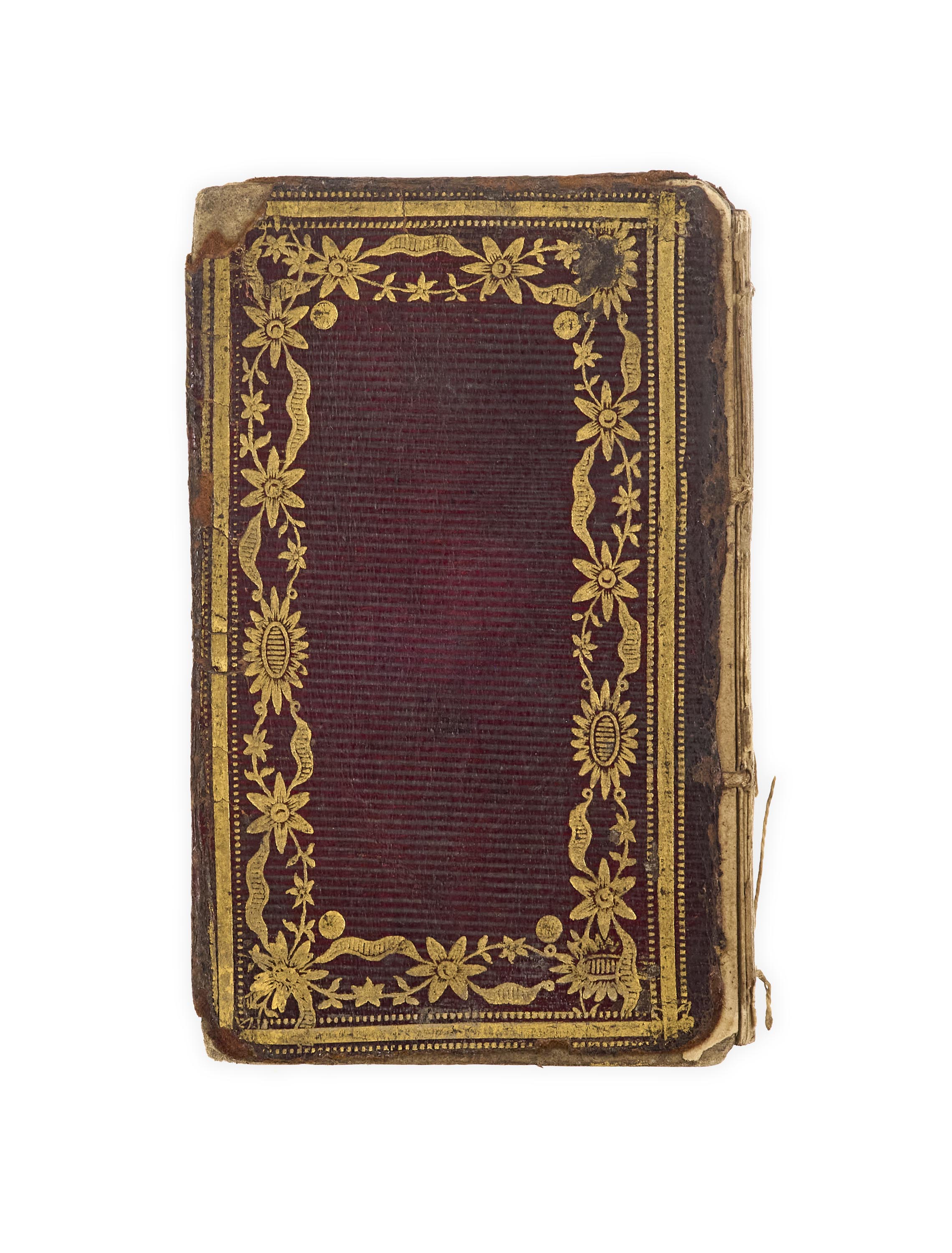
Quadrille Figures, as danced at the Quadrille Assemblies, St. Helier’s, Jersey.
Unrecorded pocket dance callbook printed on Jersey. One of the most popular ballroom dances of the nineteenth century, with elaborate steps danced by sets of couples in a square formation, the quadrille, which comprised a series of four or five linked dances, had its origins in the cotillion of the eighteenth century. Quadrilles were being danced in England at the turn of the century, imported from France, but it was the publication of sets of quadrilles by Edward Payne and James Paine in 1815–6, and its use at the Carlton House Ball of 1816, that catapulted the dance to enormous popularity. Most of the individual dances had French names – ‘La Trompette Guerrière’, ‘Les Lanciers’, ‘Le Fugitif’, ‘La Chinoise’; while ‘La McFarlin’ here was likely based on a Scottish reel.
A ‘Family’ Copy of a Bigamy Scandal
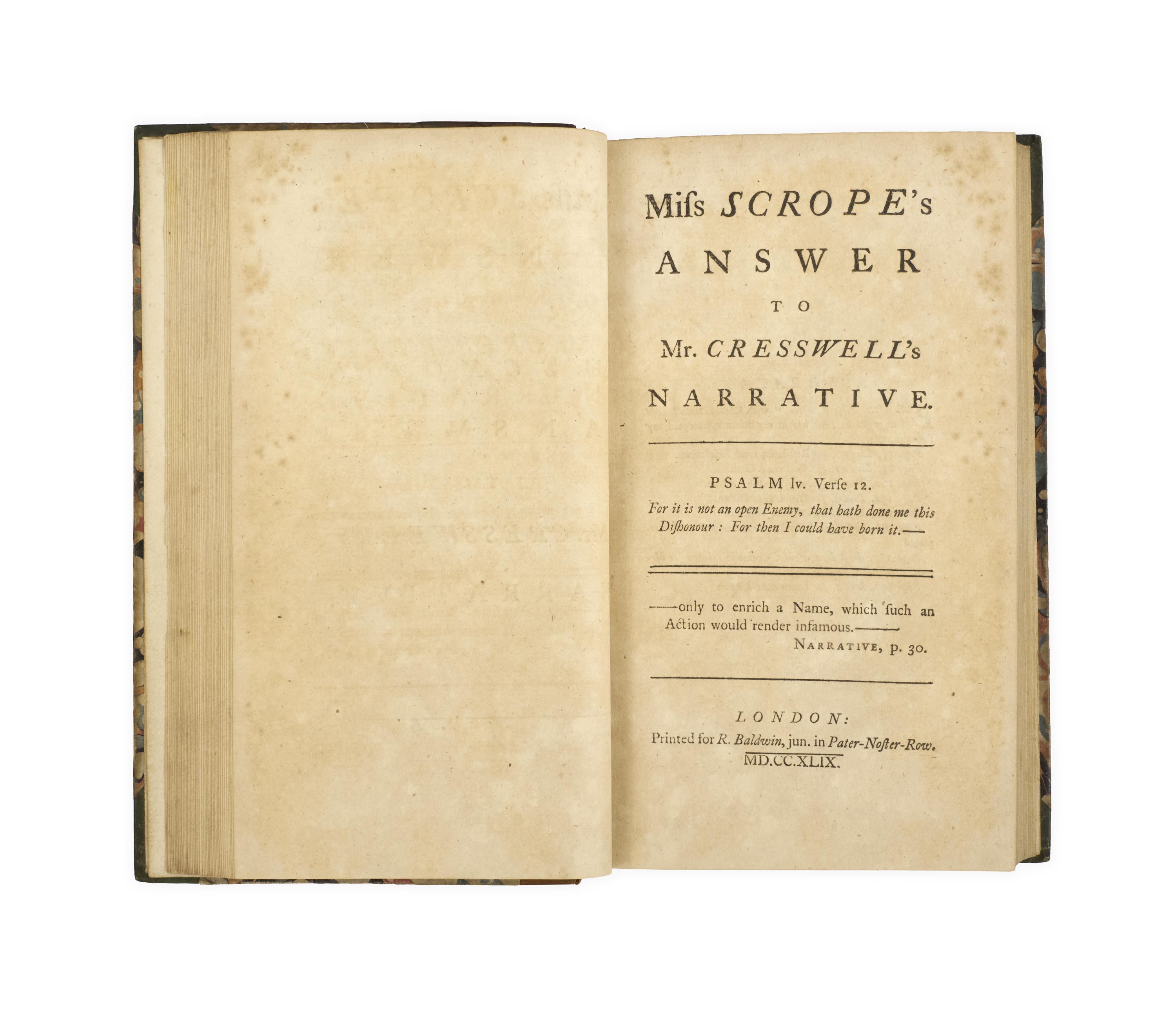
CRESSWELL, [Thomas Estcourt].
A Narrative of the Affair between Mr. Creswell, and Miss Sc–pe, address’d to G–v–e Sc–e, Esq. By which may be discover’d the Falsities, Misrepresentations, &c, in a Letter in the General Evening-Post, October 31; signed Lancelot Lee.
First editions, presenting both sides in a notorious bigamy scandal that inspired at least two fictionalisations – Love and Avarice (1749), and Eliza Haywood’s Dalinda; or, the double Marriage (1749); popular interest in the case assisted the government in passing the Marriage Act in 1754, ostensibly to protect innocent women but largely to secure the transmission of property.